

Honey Lavender Tallow Soap: Benefits and Realistic Expectations
Last Updated: November 11, 2026
Quick Summary
Honey lavender tallow soap is a cold-process bar made on a tallow base with honey and lavender added for scent and softness. It can leave skin feeling clean, but any benefit from a rinse-off wash is modest, and it does not repair the skin barrier. Patch test first if you are sensitive to fragrance.
- The Golden Bar is made with sodium tallowate, sodium olivate and glycerin, among other ingredients.
- Honey appears in the ingredient list as "Mel", the Latin name for honey.
- The essential oil blend is lavender, sweet orange and patchouli.
- Claims that tallow soap repairs or restores the skin barrier are not supported by reliable evidence for this product.
- Apply a small amount of lather to your inner forearm and check for reaction over the next day or two.
Is honey lavender tallow soap right for dry skin?Tarro makes traceable tallow soaps with grass-fed tallow and plant oils, from £9.00.
Shop Golden Bar
Table of Contents
- What Honey Lavender Tallow Soap Contains
- What Tallow Soap May Do for Dry Skin
- What Honey and Lavender Add, and What the Evidence Shows
- Who Should Be Careful: Sensitivity, Allergies and Patch Testing
- How to Use Tallow Soap on Face and Body
- How to Store the Bar So It Lasts Longer
- Choosing Your Bar: Trying Golden Bar Before You Commit
- Frequently Asked Questions
What Honey Lavender Tallow Soap Contains
Honey lavender tallow soap is a cold-process bar built on a tallow base, with honey and lavender added for scent and softness. The Golden Bar from Tarro is one example, made with sodium tallowate, sodium olivate, sodium cocoate, sodium avocadate and sodium shea butterate, with glycerin also retained in the bar.
The honey in the bar is listed as "Mel", the Latin name for honey. Honey is a traditional skincare ingredient. The essential oil blend is lavender, sweet orange and patchouli. Lavender brings a fresh floral note, sweet orange adds brightness and patchouli gives a warm, earthy depth.
If you are new to tallow, the ingredient list is the best place to start. Check the full list before you buy, especially if you already react to certain oils or fragrances.
What Tallow Soap May Do for Dry Skin
Tallow is rendered animal fat. A similar lipid profile on paper does not establish how a finished soap behaves once it is lathered, rinsed and dried. For a fuller guide on this specific topic, see tallow benefits for dry and mature skin.
It helps to separate three questions that are often blended together. The first is what the ingredient is made of. The second is what a finished bar does when it touches skin. The third is what a single rinse-off wash can realistically change. Tallow answers the first question reasonably well. The second and third depend heavily on formulation, and most of the claims you will read online skip past them.
The honest picture is this. Claims that it actively repairs or restores the barrier are not supported by reliable evidence for this product.
Follow up with a moisturiser on damp skin. If your skin is very dry, cracked or inflamed, speak to a healthcare professional rather than changing soap.
What Honey and Lavender Add, and What the Evidence Shows
Honey is a humectant, so it can help hold water in the skin. Lavender is valued for its scent and is often chosen for its calming aroma. Neither ingredient is a medical treatment, and the research on honey and lavender in soap is limited.
Be realistic about the results. A bar of soap is rinsed off within a minute or two, so any benefit is modest. Expect a clean feel and a pleasant scent rather than a dramatic change in skin condition.
Who Should Be Careful: Sensitivity, Allergies and Patch Testing
Essential oils and naturally derived fragrance compounds can cause reactions even in products marketed as natural. It is worth understanding the difference between two kinds of reaction before you decide whether a bar suits you.
Irritant contact dermatitis is the more common response. It happens when a substance damages the skin surface, and it tends to appear as stinging, burning or dryness, often within minutes to a few hours of use. Allergic contact dermatitis is an immune response that develops after prior sensitisation, and it usually shows as itching and redness that can take 24 to 48 hours to appear. Both are possible with a scented soap, and the timing is one of the clues that helps tell them apart.
The honey lavender bar contains several naturally occurring fragrance compounds, including linalool, limonene, geraniol and citral. People with a known sensitivity to fragrance ingredients should check the full ingredient list before using a scented bar, and people with a known bee-product sensitivity should avoid honey-containing products.
Patch testing is a sensible precaution. Apply a small amount of lather to a patch on your inner forearm, rinse it off, and check the area over the following day or two before using the bar more widely.
If you notice redness that spreads, swelling, blistering or any difficulty breathing, stop using the bar and seek medical advice.
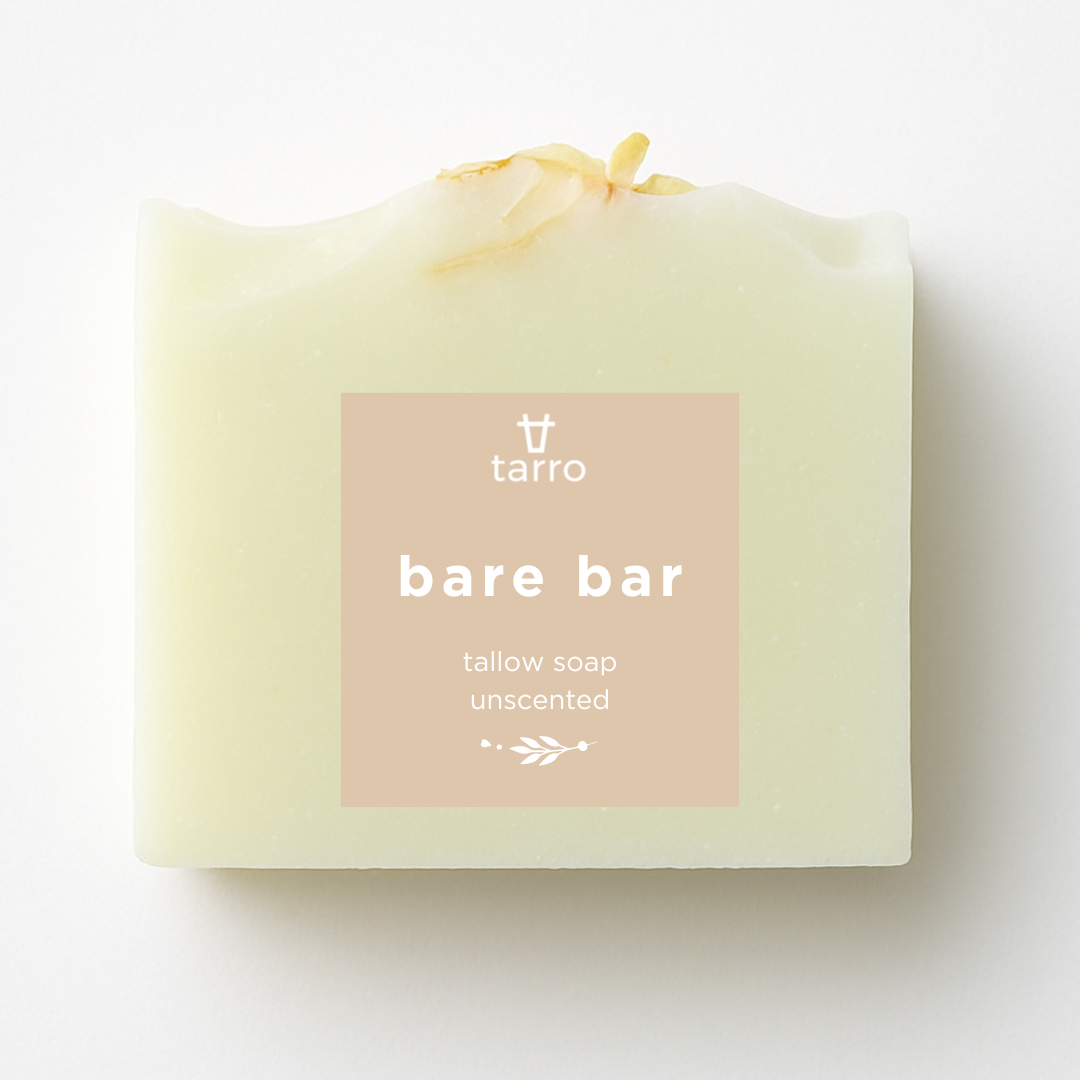
If you have a diagnosed skin condition, speak to a GP or dermatologist before adding any new cleanser. You can read what to know about tallow products for eczema-prone skin before deciding. If you want to avoid fragrance entirely, the unscented tallow soap removes the essential-oil variable and makes it easier to tell whether any reaction comes from the base bar or the scent.
How to Use Tallow Soap on Face and Body
Wet your skin with lukewarm water. Work the bar between your hands until a lather forms, then apply it to damp skin. Rinse well and pat dry.
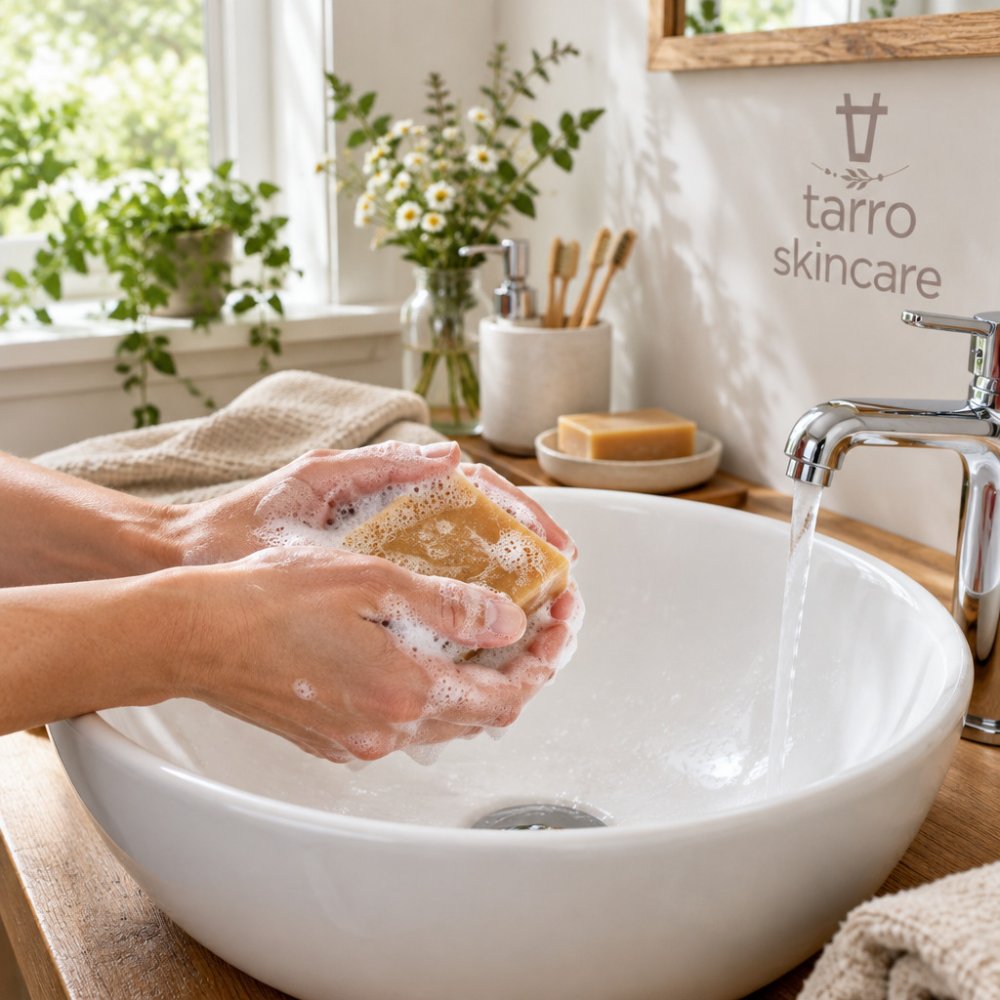
For the face, use a small amount and avoid the eye area. For the body, the bar works on arms, legs and back. Follow with a moisturiser while skin is still slightly damp.
Common mistakes include leaving the bar in standing water, which softens it quickly, and using very hot water, which can dry skin further.
How to Store the Bar So It Lasts Longer
Keep the bar on a draining dish so water runs off between uses. Letting it sit in a puddle is the main reason soap goes soft and mushy.
Store it somewhere dry, away from the shower spray. Some people use a soap saver bag or a shelf above the bath. A well-stored bar lasts considerably longer than one left in a wet dish.
Choosing Your Bar: Trying Golden Bar Before You Commit
If the honey and lavender scent appeals to you, the Golden Bar honey and lavender tallow soap is priced at £9.00 and suits everyday use. It is worth trying one bar before you switch your whole routine.
| Bar | Scent | Price | Best for |
|---|---|---|---|
| Golden Bar | Lavender, sweet orange, patchouli | £9.00 | Everyday use, honey lavender lovers |
| Bare Bar | Unscented | £9.00 | Sensitive skin, fragrance-free routines |
| Earth Bar | Vetiver, cedarwood, tea tree, frankincense | £9.00 | Deeper cleansing |
For sensitive skin, start with the unscented option and patch test before moving to a scented bar.
Tarro makes tallow skincare with grass-fed tallow and plant oils, and each bar lists its ingredients in full. Try the Golden Bar and see whether a simple, traceable soap suits your routine.
Frequently Asked Questions
What are the benefits of honey lavender tallow soap?
Tallow soap is a rinse-off cleanser, so its effects are mainly on the skin during and just after washing. Tallow is a fat, and the bar contains glycerin left in after soapmaking. Honey is a traditional skincare ingredient and lavender adds scent.
Is tallow soap good for dry or sensitive skin?
Tallow soap is a fat-based cleanser, so results on dry skin vary from person to person. For sensitive skin the answer depends on the individual. Fragrance, including lavender essential oil and sweet orange, can irritate reactive skin, so the unscented Bare Skin Bar is the simpler option for anyone who reacts easily. Patch test any new soap on a small area of skin for several days before using it on the face or body.
Can lavender essential oil irritate sensitive skin?
Yes. Lavender essential oil is a fragrance ingredient, and fragrance is one of the more common causes of contact irritation. If you have eczema, a history of fragrance reactions or very reactive skin, choose an unscented bar and patch test first.
How should you store tallow soap so it lasts longer?
Keep the bar out of standing water. Place it on a draining soap dish, let it dry fully between uses, and avoid leaving it in a sealed container while wet. Soap that stays wet softens and wears down faster. Storing it somewhere cool and dry helps preserve its shape, and a bar that is rinsed and dried promptly will last noticeably longer than one left sitting in a puddle.


